

Yoga: A Path to Inner Peace and Wellness
 Chardikla Welfare Foundation
Yoga is more than just a physical exercise; it is a holistic practice that has the potential to transform your mind, body, and soul. For centuries, yoga has been revered for its benefits, providing a deep connection between the body and mind. From improving flexibility and strength to reducing stress and anxiety, yoga offers a pathway to healing and personal growth.
The Origins of Yoga
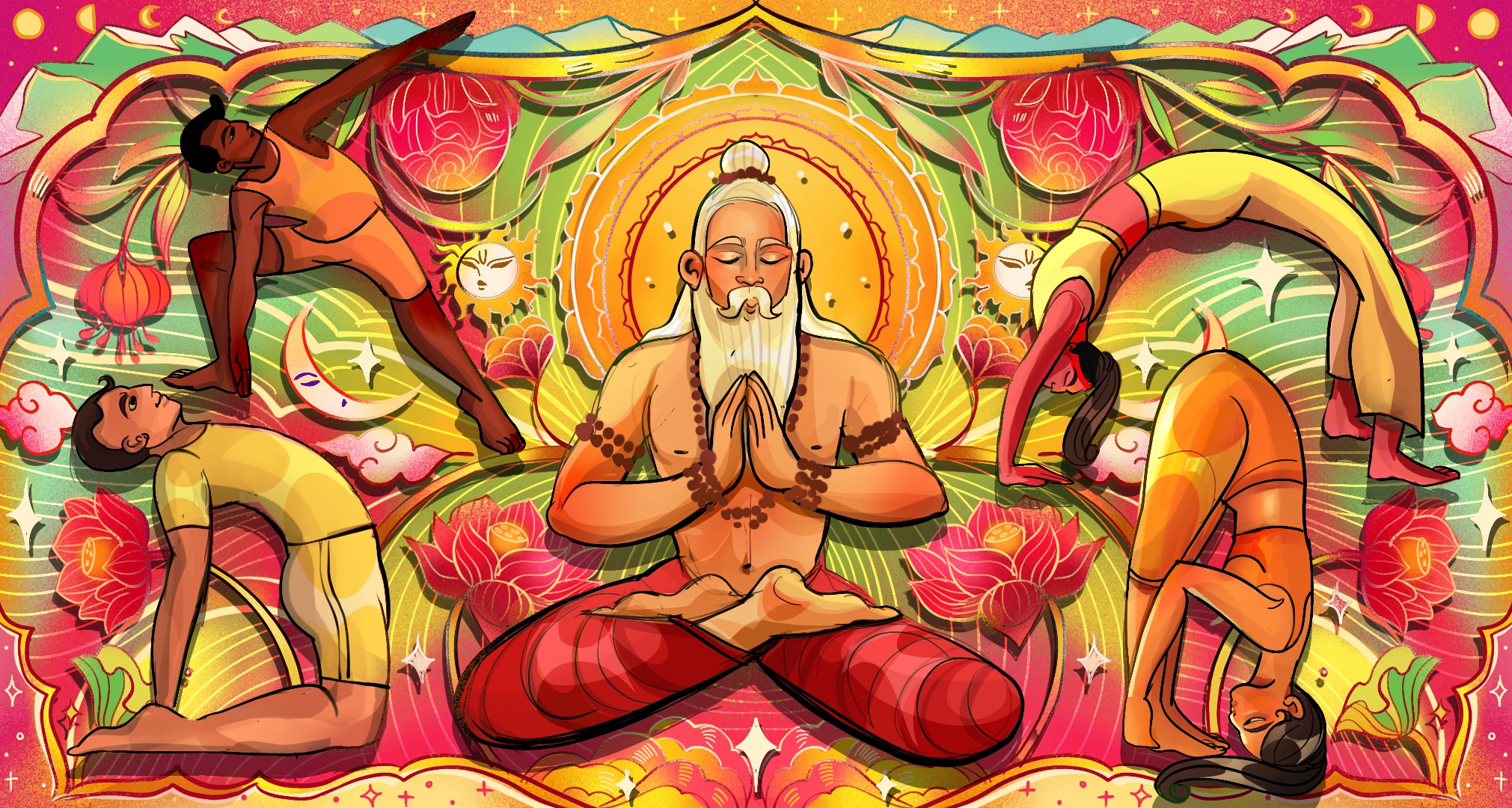
Yoga originated in ancient India over 5,000 years ago, with its roots in the spiritual and philosophical traditions of Hinduism, Buddhism, and Jainism. The word “yoga” is derived from the Sanskrit root “yuj,” meaning “to unite” or “to join.” It signifies the union of the individual consciousness with the universal consciousness, a journey towards self-realization and spiritual enlightenment.
Although yoga’s origins are deeply spiritual, its practices have evolved over time to include physical postures (asanas), breathing exercises (pranayama), and meditation, making it accessible to people of all backgrounds and beliefs. Today, yoga is practiced worldwide, with millions of people incorporating it into their daily routines for physical fitness, mental clarity, and emotional balance.
The Physical Benefits of Yoga
One of the most immediate and well-known benefits of yoga is its positive effect on physical health. Here are some of the key physical benefits:
- Improved Flexibility and Strength: Yoga involves various postures that stretch and strengthen the body. Regular practice can increase flexibility, especially in the spine, hips, and shoulders, and help reduce the risk of injury in everyday activities. Additionally, many poses require the engagement of muscles, promoting strength, endurance, and stability.
- Better Posture: With today’s sedentary lifestyle, poor posture has become a common issue. Yoga helps align the body, strengthens the muscles responsible for good posture, and encourages awareness of body alignment. As a result, practitioners often experience a reduction in back, neck, and shoulder pain.
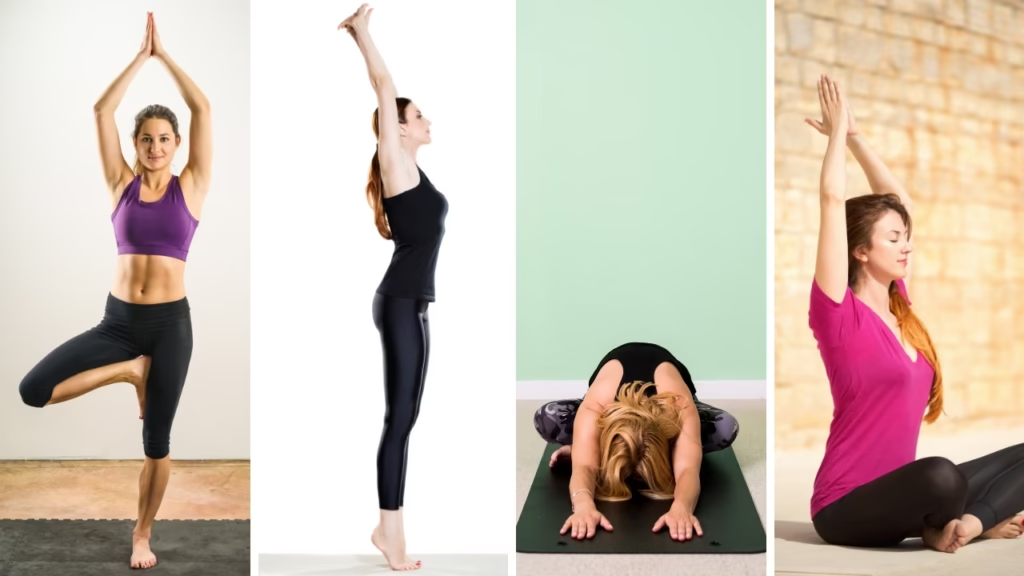
- Increased Balance and Coordination: Yoga poses such as Tree Pose and Warrior Pose enhance your sense of balance and coordination. This is particularly beneficial for older adults, as it can help prevent falls and improve mobility.
- Enhanced Cardiovascular Health: Certain styles of yoga, such as Vinyasa and Ashtanga, provide cardiovascular benefits by keeping the heart rate elevated. Regular yoga practice can improve blood circulation, lower blood pressure, and promote heart health.
- Weight Management: Yoga can contribute to weight management by promoting mindfulness and helping practitioners develop healthier habits. The meditative aspects of yoga encourage individuals to tune into their body’s needs, leading to better decisions about nutrition and exercise.
The Mental and Emotional Benefits of Yoga
Beyond the physical benefits, yoga is renowned for its positive impact on mental and emotional well-being. In today’s fast-paced world, where stress and anxiety are prevalent, yoga offers a sanctuary for the mind.
- Stress Reduction: One of the most significant benefits of yoga is its ability to reduce stress. Through deep breathing exercises (pranayama) and mindfulness practices, yoga helps activate the parasympathetic nervous system, also known as the “rest and digest” system. This response counteracts the body’s stress response, lowering levels of cortisol (the stress hormone) and promoting a sense of calm.
- Mental Clarity and Focus: Yoga is often described as a moving meditation. The combination of breathwork and movement helps quiet the mind and sharpen focus. Practitioners report feeling more mentally clear and less distracted after their yoga practice, which can improve productivity and decision-making in everyday life.
- Emotional Balance: Yoga encourages mindfulness, which is the practice of being present and fully engaged in the current moment. By cultivating mindfulness, yoga helps individuals manage their emotions, respond to challenges more effectively, and develop resilience in the face of adversity. This emotional awareness can lead to greater emotional stability and inner peace.
- Better Sleep: Many people struggle with sleep-related issues, such as insomnia or restless sleep. Yoga, particularly practices that include deep relaxation and meditation, can improve sleep quality. Poses such as Savasana (Corpse Pose) help release tension in the body, allowing for a deeper and more restful sleep.
- Reduced Anxiety and Depression: Yoga has been shown to reduce symptoms of anxiety and depression. The calming effect of yoga, combined with deep breathing and meditation, helps regulate the nervous system and improve mood. Numerous studies have demonstrated that yoga can be an effective complementary treatment for those dealing with anxiety and depression.
Yoga for Healing and Self-Care
Yoga is not just about physical fitness; it is also a powerful tool for healing. It encourages a deep connection with the self, allowing individuals to listen to their body, honor their needs, and practice self-care.
- Healing from Trauma: Yoga has been increasingly recognized as an effective tool for healing from trauma. Practices such as Trauma-Informed Yoga specifically address the needs of individuals who have experienced emotional or physical trauma. By focusing on breath and movement, these practices help individuals regain a sense of safety and control over their bodies.
- Improved Digestion and Detoxification: Many yoga poses, such as twists and forward folds, stimulate the digestive system and promote detoxification. Yoga helps improve circulation and the flow of oxygen to vital organs, aiding in the elimination of toxins and waste from the body.
- Boosted Immune System: Yoga enhances the body’s immune system by reducing stress and improving circulation. The practice helps balance the endocrine system, regulate hormone levels, and support the body’s natural healing abilities.
- Enhanced Self-Awareness: Yoga encourages introspection, which leads to a greater understanding of oneself. As individuals become more aware of their thoughts, feelings, and physical sensations, they develop a deeper connection with their true self. This self-awareness fosters personal growth and healing.
The Spiritual Aspect of Yoga
While yoga is often practiced for its physical and mental benefits, it is also a deeply spiritual practice. The spiritual aspect of yoga is about cultivating inner peace, self-realization, and a connection to something greater than oneself. Yoga is not a religion, but it can serve as a path to spiritual enlightenment.
The practice of meditation, chanting, and mindfulness in yoga helps individuals connect to their inner self and experience a sense of oneness with the universe. Yoga provides a space for practitioners to explore their spirituality, whether that means connecting to their faith, practicing gratitude, or simply finding peace within.
How to Start Your Yoga Journey
Starting a yoga practice is simple and accessible to people of all ages and fitness levels. Here are some tips to get started:
- Find a Class or Instructor: If you’re new to yoga, consider taking a beginner class to learn the basics. Many yoga studios offer online classes as well, so you can start practicing from the comfort of your own home.
- Start Slow: Don’t push yourself too hard in the beginning. Yoga is about listening to your body and progressing at your own pace. Start with simple poses and gradually increase the intensity as you build strength and flexibility.
- Practice Regularly: To experience the full benefits of yoga, consistency is key. Try to practice yoga several times a week, even if it’s just for a few minutes each session.
- Be Patient: Yoga is a journey, not a destination. It may take time to see physical changes or experience deep relaxation, but with regular practice, you will notice improvements over time.
Conclusion
Yoga is a transformative practice that can bring balance, strength, and serenity into your life. Whether you’re seeking physical fitness, mental clarity, emotional healing, or spiritual growth, yoga offers a holistic approach to well-being. By incorporating yoga into your daily routine, you can experience its profound benefits and cultivate a healthier, more harmonious life.
Start your yoga journey today and unlock the incredible power within you to live a more peaceful and fulfilling life.